Ottawa wants to extend the foreign buyer ban to 2029, but not for new homes
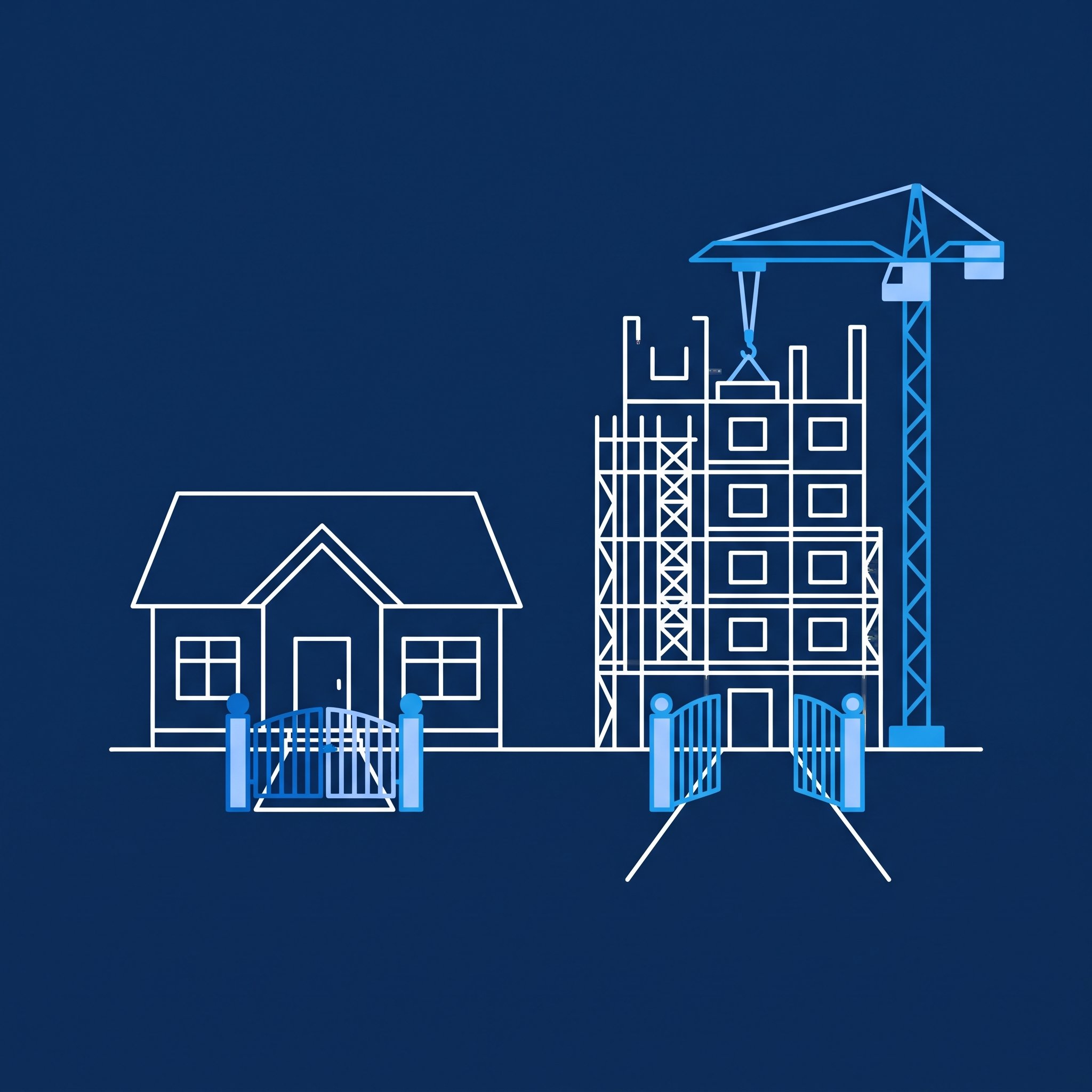
Canada's ban on foreign buyers of homes is set to end on January 1st, 2027. The federal budget tabled on November 5th, 2026 proposes to keep it, with one big change: the ban would stay in place for existing homes until January 1st, 2029, and new homes would be exempt.
It is a proposal, not yet law. As of November 16th, no bill had been introduced. The budget says Ottawa will "propose legislation and launch a regulatory process on this change in short order." Until Parliament passes a change, the current law still ends the ban on January 1st, 2027, less than seven weeks from now.
What does the budget propose?
Extend the ban on foreign purchases of existing homes by two years, to January 1st, 2029.
Exempt new homes, so foreign buyers could purchase newly built housing.
The budget's reasoning. Keep most of the market available to Canadians while letting foreign money help finance new supply.
The budget does not yet define a "new" home. It doesn't say when the exemption would start, or whether a purchase agreement signed before the law changes would count. Those details will come with the legislation and regulations.
Finance Minister François-Philippe Champagne pointed to Australia, which limits foreign buyers mainly to new housing, saying Australia's approach "seems to be a better way to do it."
What does the ban cover today?
The Prohibition on the Purchase of Residential Property by Non-Canadians Act took effect on January 1st, 2023. Ottawa extended it once, in February 2024, from January 1st, 2025 to January 1st, 2027. Today:
It applies to people who are not Canadian citizens, permanent residents or registered under the Indian Act, and to private companies controlled by them (10% or more since March 2023).
It covers houses, semi-detached homes, condos and buildings with up to three units, in or near larger cities. Vacant land has been excluded since March 2023.
There are exemptions, including work permit holders with at least 183 days left on their permit, some international students, refugees, and spouses buying with a Canadian or permanent resident.
The penalty is a fine of up to $10,000, and a court can order the property sold.
Provincial taxes also still apply: B.C. charges foreign buyers an extra 20% property transfer tax, and Ontario's tax on non-resident buyers is 25%. The federal budget proposal doesn't change either.
How many foreign buyers are there now?
Few. B.C. publishes the share of home sales involving a foreign buyer every month.
Across B.C., 1.15% of residential sales from January to September 2026 had a foreign buyer, about 1 sale in 87. In 2025 the share was 1.11%.
In Metro Vancouver, the share was 0.56% over the same months, about 1 sale in 177.
The highest month this year was September, at 1.69% across the province.
Those buyers are either exempt from the federal ban, such as work permit holders, or bought property the ban doesn't cover. B.C. counts foreign corporations as foreign buyers too.
Ownership tells a similar story. Statistics Canada data, as reported by Global News, show non-residents owned 3.8% of B.C. residential properties in 2024, down from about 4.5% in 2021. In Ontario the share was 2.62% in 2024. Statistics Canada cautions that part of the 2024 change reflects better data matching, so year-to-year comparisons need care.
Did the ban change prices?
Most economists say not by much.
Robert Hogue, assistant chief economist at RBC, told Global News in October that the ban's effect was likely minimal, and that letting it lapse would not bring a wave of buyers.
Mike Moffatt of the Missing Middle Initiative called a lapse "basically a non-factor" for prices over the next 12 to 24 months. In August he told BNN Bloomberg the ban "probably came a few years too late," and that exempting new builds "actually creates new supply."
Royal LePage said in 2024 that the ban had virtually no effect on prices.
The reason is the numbers above. When roughly 1 sale in 87 involves a foreign buyer, removing or adding those buyers barely moves the market as a whole.
Why exempt new homes?
Presale condo sales have stalled, especially in Toronto and Vancouver. Developers need buyers to commit before they can finance and start construction. Opening new homes to foreign buyers adds demand where it helps build housing, while existing homes stay with Canadian buyers.
Brendon Ogmundson, chief economist at the B.C. Real Estate Association, told The Hub the measure mirrors Australia's and would help finance new supply. Critics are less sure. Yinnon Geva of the University of Toronto asked The Hub, "how does this help affordability at the end of the day?"
What does this mean for you?
If you're buying or selling an existing home, the proposal changes little. Foreign buyers stay out of that market until 2029, and they were a small share of it anyway.
If you're buying a presale condo, you may see more buyers competing for units once the new-home exemption takes effect, depending on how "new" is defined.
If you're selling a presale assignment or a newly built home, the pool of possible buyers could widen.
If you're a foreign buyer, nothing changes until the legislation passes. Check the final rules and the provincial taxes before you commit.
What should you watch?
The bill. If it doesn't pass before January 1st, 2027, the current law ends the ban on that date as written.
The definition of a "new" home (for example, whether presales and assignments count), the start date for the exemption, and how it treats deals signed before then.
B.C.'s monthly foreign buyer share. It's the quickest public signal of any change.
From Properti Edge
Watch the market you're actually buying in
Foreign buyers are a small part of the market. Prices, listings and rates in your area matter more. Ask the Properti Edge AI Advisor about the area and property type you're watching.
General information, not regulated advice.
This is general information, not regulated advice. Speak to a real estate lawyer or a licensed real estate professional about your situation before acting.