
Metro Calgary Housing Market Report | April 2026
Seller’s Market for Houses, Balanced Conditions for Condos
Calgary’s real estate market is telling two different stories this spring. If you are looking for a detached house, you will find that sellers hold most of the power.
But if you are shopping for a condo apartment, the market is much more balanced, with buyers and sellers on more equal footing.
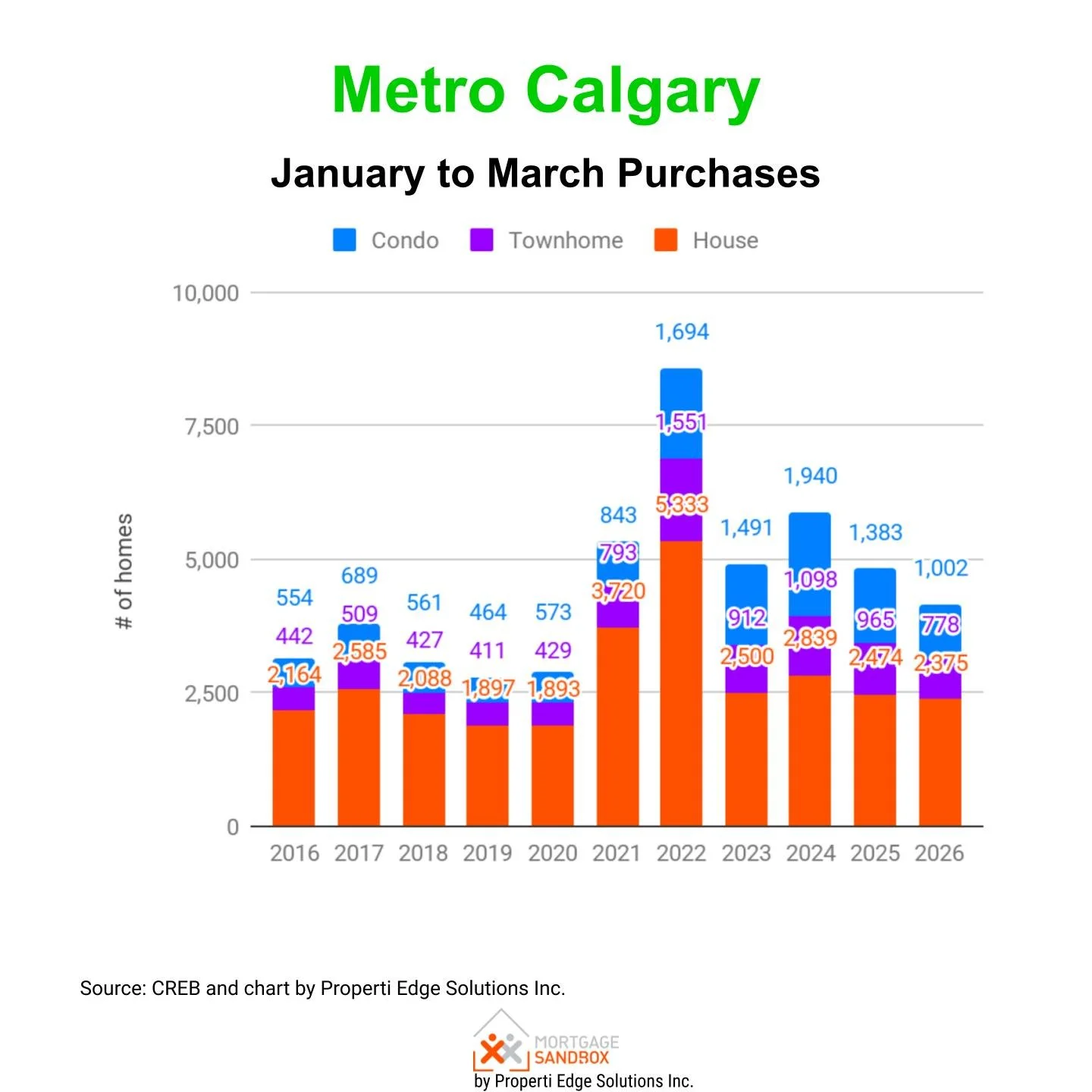
New data from March 2026 shows some surprising trends, including falling demand for both property types, rising inventory for condos, and mixed price signals. Meanwhile, global events are starting to push mortgage rates higher, which could cool down the market faster than many experts expected just a few months ago.
Here is a detailed look at what is happening in Metro Calgary’s detached house and condo apartment markets, based on the latest numbers.
Detached Houses: A Seller’s Market with a Shifting Trend
The detached house market in Metro Calgary remains a seller’s market. That means there are fewer homes available than there are buyers, giving sellers the upper hand in price negotiations. However, the market is “trending in favour of buyers,” according to the latest analysis. This is an unusual combination: sellers still have the advantage, but that advantage is slowly shrinking.
Months of Inventory
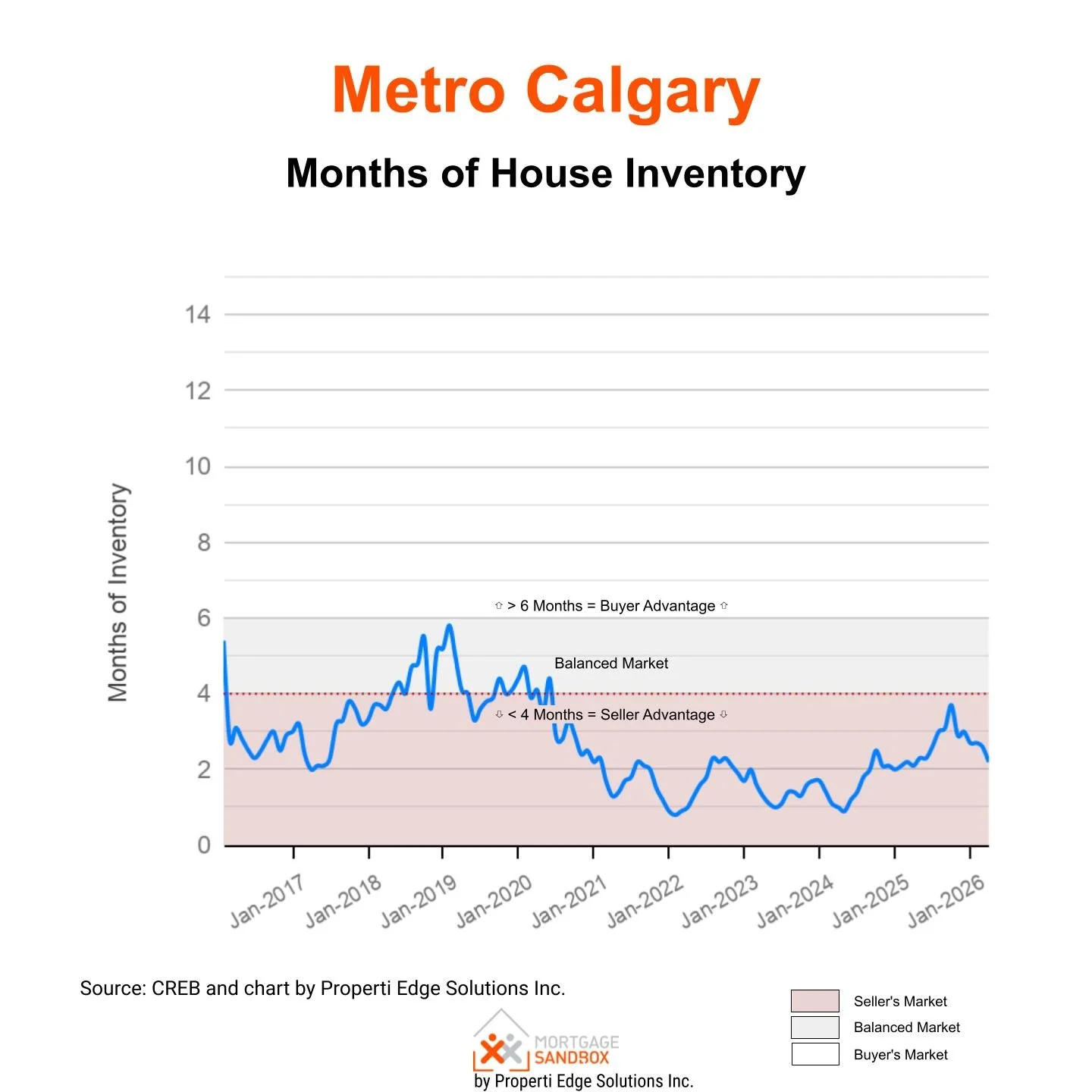
One of the most important measures of market balance is “months of inventory.” This number tells you how many months it would take to sell all the current homes on the market if no new listings came up and if the current pace of sales continued. A number below four months usually means a seller’s market. Between four and six months is balanced. Above six months favours buyers.
For detached houses, months of inventory rose from 2.1 to 2.2 compared to last year. This 5% increase means inventory is very slightly higher than before. Even so, at 2.2 months, the market is still firmly in seller’s territory.
Purchases and Active Listings
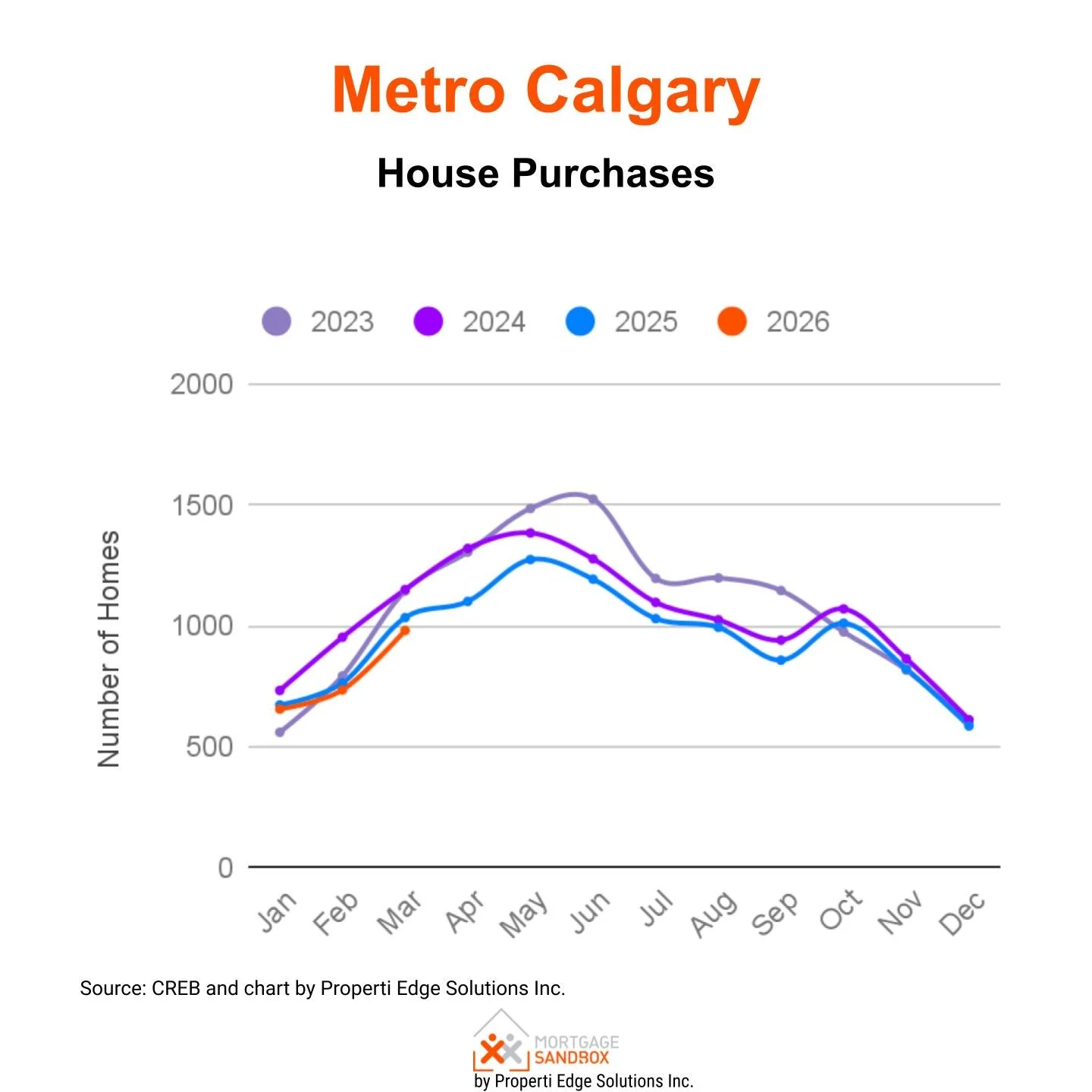
Demand from buyers has fallen. Purchase demand for detached houses dropped by five percent compared to last year. At the same time, the supply of active listings also went down, but only by one percent. So while fewer people are buying, there are also slightly fewer homes to choose from. That helps explain why sellers still have the edge.
Price Trends
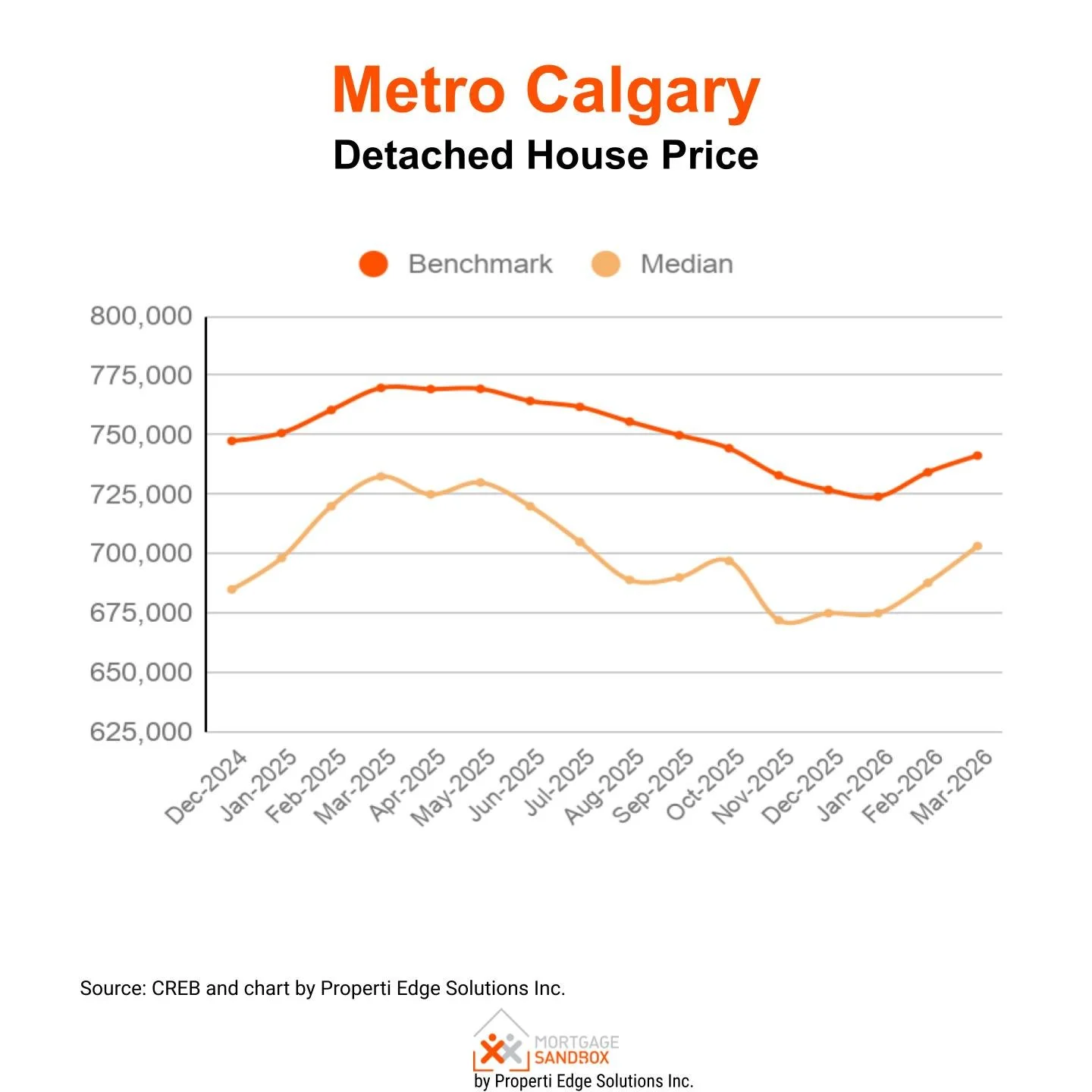
Prices are moving in favour of sellers. The benchmark detached house price is now $741,000. The “benchmark” price is a model that tries to represent a typical home in the market, accounting for features like size, age, and location. Over the past year, the benchmark is down 4 percent, but it is up 2 percent in the last three months.
The median detached house price tells a similar story. The median is the middle price – half of homes sold for more and half for less. The median price is $703,000, which is four percent lower than a year ago.
However it bounced back 4 percent in the last three months. That is a stronger increase than the benchmark suggests.
Both benchmark and median prices are rising, which benefits sellers right now.
Condo Apartments: Balanced Market with a Lean Toward Buyers
The condo apartment market looks very different from the detached house market. It is currently a balanced market, meaning buyers and sellers have roughly equal negotiating power. However, the trend is moving in favour of buyers, so if things continue in this direction, buyers could gain the upper hand later this year.
Months of Inventory
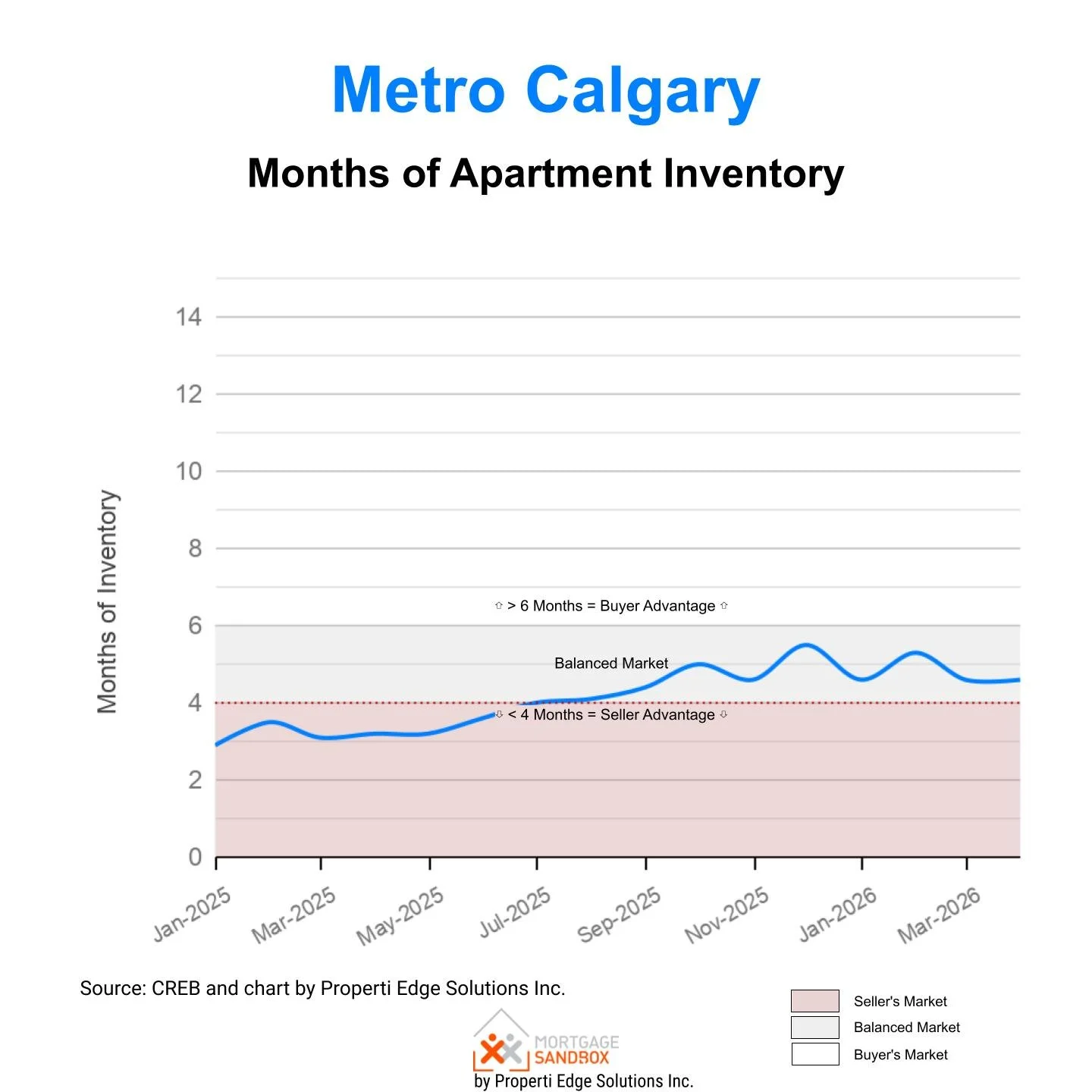
Months of inventory for condos have increased sharply. Last year, the number was 3.2 months. Now it is 4.6 months. That is an increase of 44 percent. At 4.6 months, the market is still within the balanced range (between four and six months), but it is getting close to buyer’s market territory. The jump in inventory is a clear sign that condos are taking longer to sell.
Purchases and Active Listings
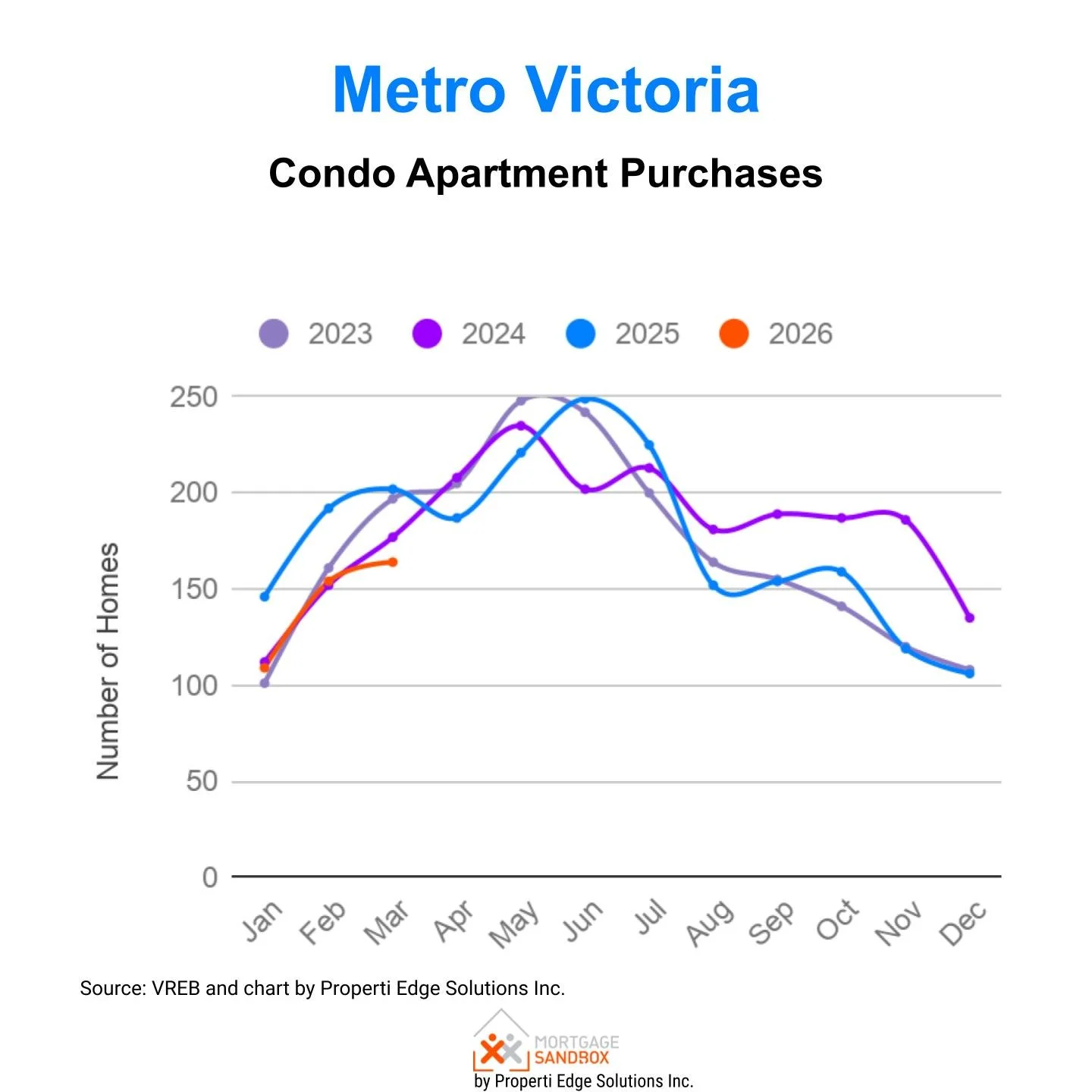
The drop in demand for condos is much larger than for houses. Purchase demand has fallen by 29 percent compared to last year. At the same time, the supply of active listings has actually increased by four percent. So there are more condos available to buy, and far fewer people trying to buy them. That is why the market is shifting toward buyers.
Price Trends
Condo prices are sending mixed signals.
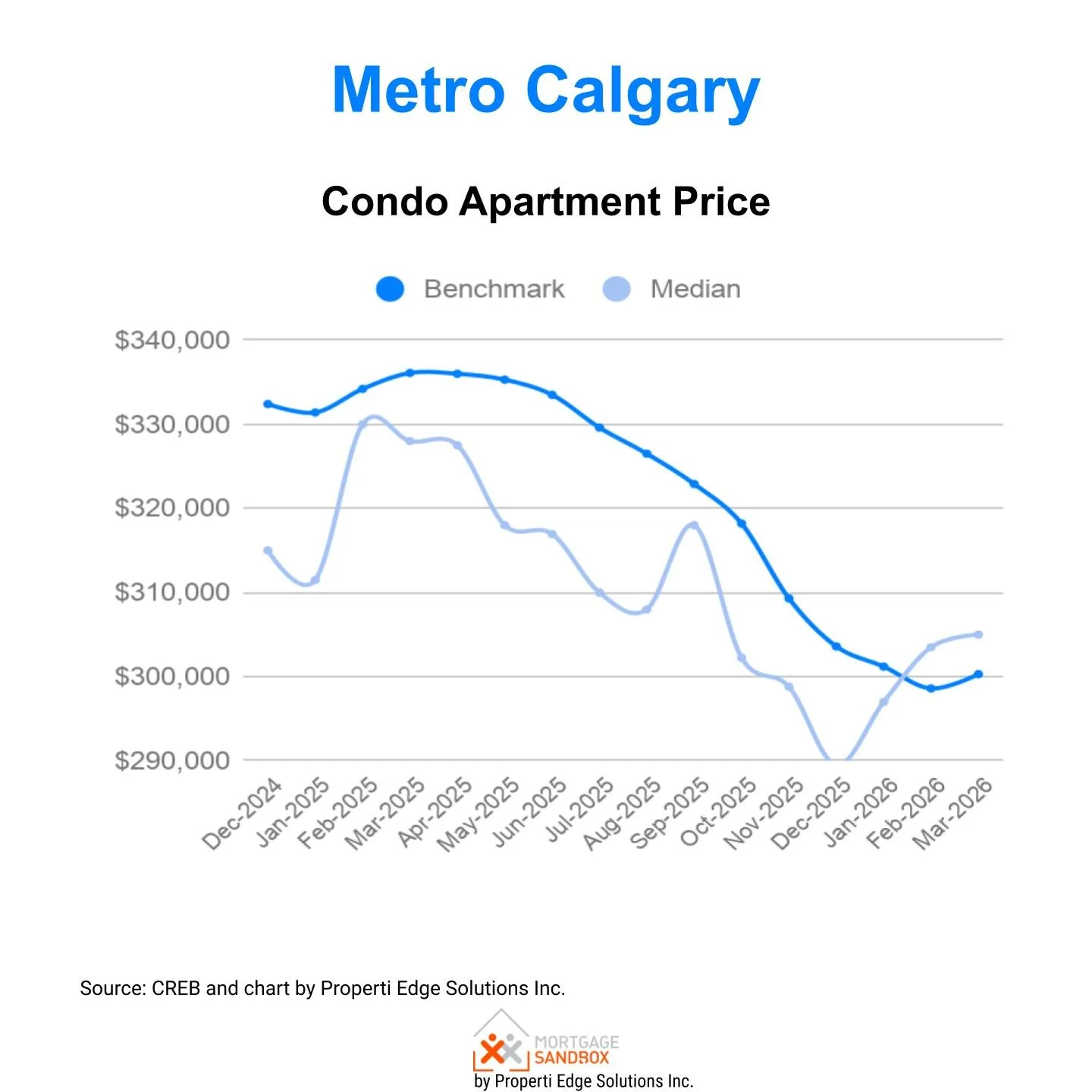
The benchmark apartment price is $300,000, down 10% from a year ago, and unlike the house market, prices haven’t bounced back in early 2026. This price drop favours buyers.
However, the median apartment price is $305,000, which has declined by 7% over the past year but has increased by 5% in the last three months.
How can both of these statements be true? It likely means that the prices of nicer, more spacious condos are falling, pulling down the benchmark. Meanwhile, the cheapest and smallest condos are not selling as well, resulting in fewer data points at the lower end and effectively pushing up the median unit price.
For buyers, the benchmark may be a more reliable guide, but the median price often serves as a leading indicator of where the benchmark will head in the future.
Risks on the Horizon: Interest Rates and Global Tensions
While local market conditions matter, larger forces are also at play. Two major risks stand out for the Calgary housing market in April 2026: the interest rate cycle and geopolitical conflict.
The Rates Cycle: Low Rates Are Stimulating Demand, for Now
Canada is in the easing phase of an interest rate cycle. That means the Bank of Canada has been lowering interest rates, and rates are currently low. Lower rates make mortgages more affordable. They increase the amount of money buyers can borrow, which raises their budgets. This has a stimulating effect on property markets. However, the full impact of rate cuts can take up to 18 months to be felt. So some of the current demand may still be waiting to show up in sales numbers.
The Iran Conflict: A Sudden Shock to Mortgage Rates
The conflict involving Iran has increased market volatility. One direct result is that five-year fixed mortgage rates in Canada have gone up by approximately 0.25 percent. Why? Because bond yields have risen. Lenders use bond yields to help set fixed mortgage rates. When bond yields go up, mortgage rates follow.
Before this conflict, most economists expected interest rates to begin rising again in late 2026 or early 2027. But higher oil prices and inflationary pressures from the war have changed that outlook. Investors now expect rates to rise earlier in 2026. Higher mortgage rates reduce what home buyers can afford. They pour “ice cold water” on market demand. Even a small rate increase can push some buyers out of the market or force them to look at cheaper homes.
Detached House Market Risks
Even though detached houses are in a seller’s market, there are still risks to watch.
Market Balance
With less than four months of inventory, the detached market is a seller’s market. But if that balance tips into a balanced market (between four and six months) later this year, a market adjustment could follow. That adjustment might mean slower price growth or even price drops. For now, months of inventory are consistent with last year, so no sudden change has happened yet.
Price Fundamentals
Prices have been moderately volatile. Compared to last year, prices are down. But right now, they are rising again. This up-and-down pattern makes it harder to predict where prices will go next. Buyers and sellers both need to be careful.
New Housing Supply
Construction levels for detached houses are typical. There is no unusual building boom. That means the market can likely absorb any new homes that are completed without causing a big impact on prices. New supply is not a major worry for this segment.
Condo Apartment Market Risks
The condo market faces much more serious risks than the detached market.
Market Balance
The report states that more than six months of inventory makes a buyer’s market. Currently, condo months of inventory are at 4.6 months, which is still in balanced territory. But the number is rising strongly in favour of buyers. If the trend continues, condos could cross into buyer’s market territory before the end of 2026. That would give buyers much more negotiating power and could push prices down further.
Price Fundamentals
Prices are down 11 percent from a year ago. That is a significant drop. For some first-time buyers, that loss represents all of their equity. Equity is the difference between what you owe on your mortgage and what your home is worth. If you bought a condo one year ago with a small down payment, an 11 percent price drop could wipe out your entire investment. This is a serious financial risk for recent buyers.
New Housing Supply
Calgary has much higher-than-normal condo construction levels. Builders are putting up many new apartment units. When supply grows this quickly, the market often struggles to absorb all the new homes. “Absorption” means selling or renting the units to people who want them. With demand already down 29 percent, too much new supply could make things worse. Developers may respond by offering price discounts or bonus amenities to encourage buyers. For example, you might see deals like free parking for a year, upgraded appliances, or reduced deposit requirements. For buyers, that could mean bargains. For sellers and developers, it means pressure on profits.
What This Means for You
If you are considering buying a detached house in Metro Calgary in 2026, be prepared for competition, which may drive bidding wars and higher prices. If you can wait a few months, you might find a more balanced market. However, keep in mind that rising mortgage rates due to global events could offset any gains you might hope to achieve from lower home prices.
For those interested in condos, there are more options available. Demand has significantly decreased, supply has increased, and inventory is on the rise, allowing for better negotiation opportunities. However, due to mixed price signals, it’s essential to examine individual properties closely. Additionally, new construction could lead to discounts from developers, but be cautiousl Prices have dropped by 11 percent in the past year, so buying now doesn’t guarantee that prices will rise soon.
In summary, Calgary's housing market is influenced by conflicting factors:
Local conditions favor sellers of detached houses and buyers of condos,
While global factors such as interest rates and geopolitical conflicts may cool both markets.
Stay informed, keep an eye on bond yields, and carefully consider your timeline.